
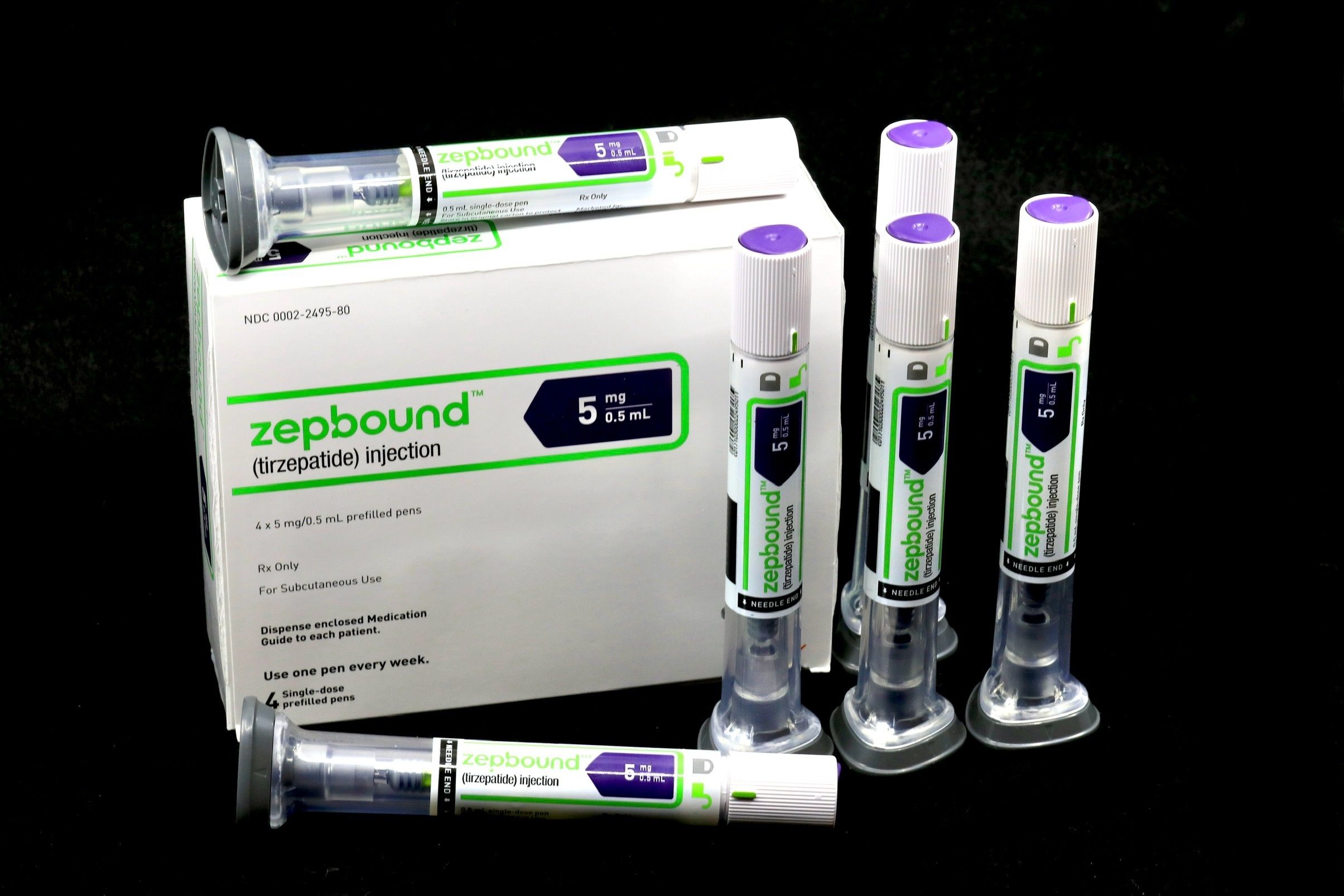
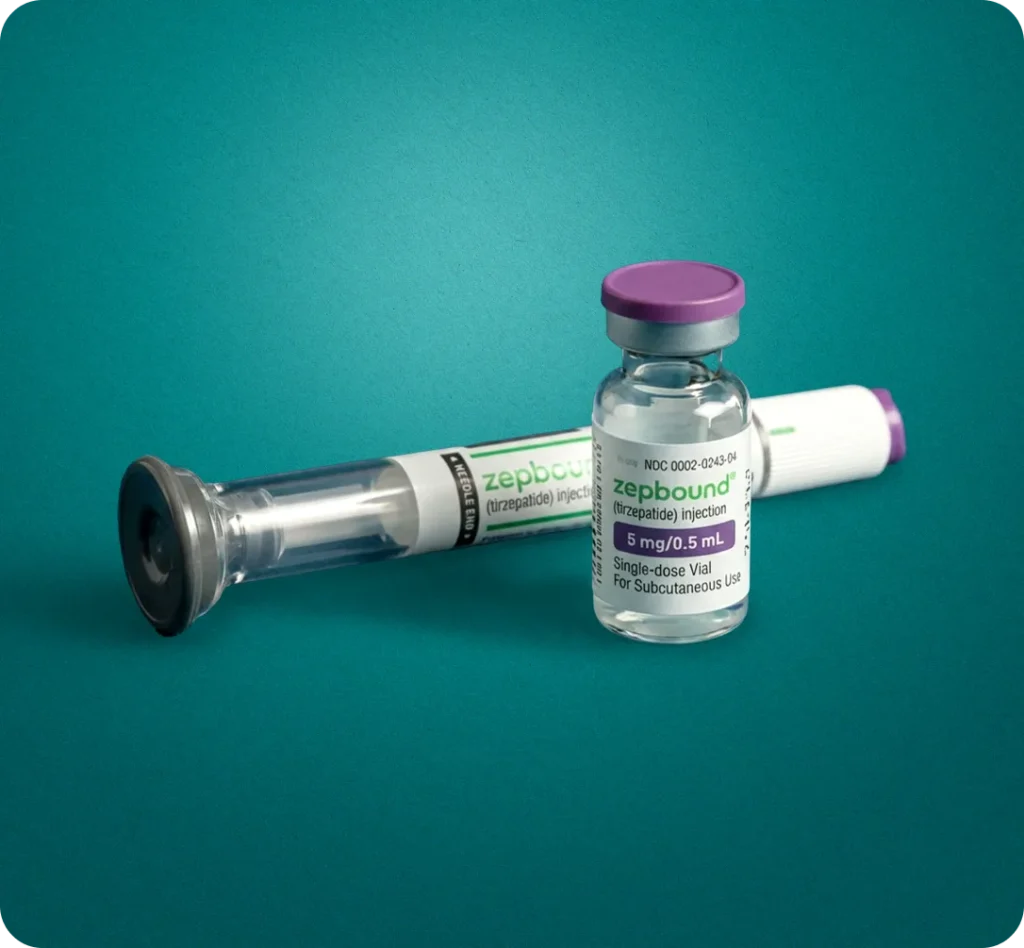
Zepbound® (tirzepatide) is a once-weekly prescription injection used with a reduced-calorie diet and increased physical activity to help eligible adults with obesity, or certain adults who are overweight with a weight-related health condition, reduce excess body weight and maintain weight reduction long-term. Zepbound is also FDA-approved to treat moderate-to-severe obstructive sleep apnea (OSA) in adults with obesity.
Zepbound contains tirzepatide, a medication that activates both GIP and GLP-1 receptors. Treatment is prescription-only and should be used under the supervision of an appropriate healthcare professional.
Prescription required. Medical evaluation required.
What Is Zepbound?
Zepbound is the brand name for tirzepatide, a once-weekly injectable medication manufactured by Eli Lilly.
It belongs to a class of medicines known as GIP and GLP-1 receptor agonists. Zepbound works on hormone pathways involved in appetite and food intake. The FDA-approved prescribing information states that Zepbound is used together with a reduced-calorie diet and increased physical activity.
Zepbound is approved for chronic weight management in eligible adults and for the treatment of moderate-to-severe obstructive sleep apnea in adults with obesity.
What Is Zepbound Used For?
Zepbound is approved for:
- Reducing excess body weight and maintaining weight reduction long-term in adults with obesity
- Reducing excess body weight and maintaining weight reduction long-term in certain adults who are overweight and have at least one weight-related medical condition
- Treating moderate-to-severe obstructive sleep apnea in adults with obesity
Zepbound should be used alongside a reduced-calorie diet and increased physical activity.
Whether Zepbound is appropriate depends on an individual’s medical history, current medications, health conditions, and other factors. A healthcare professional should determine whether treatment is appropriate.
Zepbound Dosage
Zepbound is injected once weekly. The FDA-approved prescribing information recommends starting with 2.5 mg once weekly for four weeks. The dosage may then be increased in 2.5 mg increments after at least four weeks on the current dose, depending on treatment response and tolerability.
Available Zepbound Strengths
Zepbound is available in:
- 2.5 mg
- 5 mg
- 7.5 mg
- 10 mg
- 12.5 mg
- 15 mg
For chronic weight management, the recommended maintenance doses are 5 mg, 10 mg, or 15 mg once weekly. The maximum recommended dosage is 15 mg once weekly.
Important: 2.5 mg is the starting dose and is not an approved maintenance dose. Your healthcare professional determines the appropriate dose based on your treatment response and tolerability.
How Is Zepbound Taken?
Zepbound is administered as a subcutaneous injection once a week. It can be taken at any time of day, with or without food. Depending on the prescribed presentation, Zepbound is available as a single-dose pen, single-dose vial, or multi-dose KwikPen.
The current KwikPen presentations contain four weekly doses. Each pen is intended for use by one patient and should not be shared with another person.
Zepbound Side Effects
Like other prescription medications, Zepbound can cause side effects.
The most common adverse reactions reported in clinical trials include:
- Nausea
- Diarrhea
- Vomiting
- Constipation
- Abdominal pain
- Indigestion (dyspepsia)
- Injection-site reactions
- Fatigue
- Belching
- Hair loss
- Gastroesophageal reflux disease
Not everyone experiences these effects, and some adverse reactions can be serious.
Review the full prescribing information and discuss your medical history and potential risks with your healthcare professional before starting treatment.
Who Should Not Use Zepbound?
Zepbound has important contraindications and warnings.
It should not be used by people with a personal or family history of medullary thyroid carcinoma (MTC) or by people with multiple endocrine neoplasia syndrome type 2 (MEN 2).
Zepbound also has important warnings and precautions relating to severe gastrointestinal reactions, acute kidney injury due to volume depletion, gallbladder disease, pancreatitis, hypersensitivity reactions, hypoglycemia in certain situations, and other conditions.
Always provide your healthcare professional with a complete list of medications, supplements, medical conditions, and allergies before treatment.
Zepbound Prescription Requirements
Zepbound is a prescription medication. A prescription and appropriate medical evaluation are required.
Our process is designed to help eligible patients access prescription weight-management treatment through an appropriate healthcare and pharmacy pathway.
How It Works
1. Start Your Evaluation
Provide the required health and medication information.
2. Medical Review
An appropriate healthcare professional reviews your information to determine whether treatment may be appropriate.
3. Prescription
If treatment is medically appropriate, a prescription may be issued.
4. Pharmacy Fulfillment
The prescription can then be dispensed by the appropriate licensed pharmacy.
Start Your Zepbound Evaluation
Zepbound Cost
The cost of Zepbound can vary depending on the prescribed strength, formulation, insurance coverage, pharmacy, eligibility for manufacturer savings programs, and other factors.
For current manufacturer pricing and savings information, patients should consult the official Zepbound/Lilly resources.
Before displaying a fixed price on this page, confirm that the price applies to the exact Zepbound presentation, strength, quantity, and patient eligibility.
Zepbound vs. Wegovy
Zepbound and Wegovy are both prescription medications used for weight management, but they contain different active ingredients and work through different receptor pathways.
Zepbound contains tirzepatide, which activates both GIP and GLP-1 receptors. Treatment selection should be based on an individual’s medical history, treatment goals, tolerability, contraindications, and other factors.
A healthcare professional can help determine which treatment may be appropriate.
Zepbound vs. Foundayo
Zepbound and Foundayo are prescription weight-management treatments, but they differ in formulation and active ingredient.
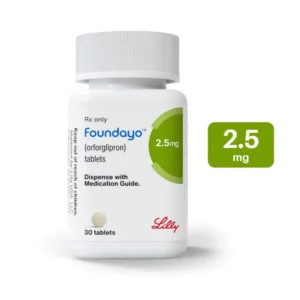
Zepbound contains tirzepatide and is administered by injection once weekly. Foundayo (orforglipron) is an oral GLP-1 medication.
The two medications should not be treated as interchangeable products. A healthcare professional should determine which treatment, if any, is appropriate.
Frequently Asked Questions
Is Zepbound a prescription medication?
Yes. Zepbound is a prescription medication and requires appropriate medical evaluation and a prescription.
How often is Zepbound taken?
Zepbound is administered once weekly.
What is the starting dose of Zepbound?
The recommended starting dosage is 2.5 mg once weekly for four weeks. The dose can then be increased according to the FDA-approved dosing schedule and the patient’s treatment response and tolerability.
What is the highest Zepbound dose?
The maximum recommended dosage is 15 mg once weekly.
Is Zepbound used for weight loss?
Zepbound is FDA-approved, together with a reduced-calorie diet and increased physical activity, to reduce excess body weight and maintain weight reduction long-term in eligible adults with obesity or certain adults who are overweight and have a weight-related medical condition.
Is Zepbound approved for sleep apnea?
Yes. Zepbound is FDA-approved for the treatment of moderate-to-severe obstructive sleep apnea in adults with obesity, in combination with a reduced-calorie diet and increased physical activity.
Can I buy Zepbound without a prescription?
No. Zepbound is a prescription medication. Patients should obtain it through a legitimate prescription and pharmacy process.
Can I use Zepbound with another GLP-1 medication?
The current prescribing information states that coadministration with other tirzepatide-containing products or any GLP-1 receptor agonist is not recommended.
Start Your Zepbound Evaluation
If you’re considering Zepbound for prescription weight management, speak with an appropriate healthcare professional to determine whether it is suitable for you.
Start Medical Evaluation →
Prescription required. Treatment is subject to medical evaluation and clinical appropriateness.
Important Safety Information
Zepbound has a boxed warning regarding the risk of thyroid C-cell tumors observed in rats. It is unknown whether Zepbound causes thyroid C-cell tumors, including medullary thyroid carcinoma, in humans. Zepbound is contraindicated in people with a personal or family history of MTC or in people with MEN 2.
This page is for educational purposes and does not replace the FDA-approved prescribing information or individualized medical advice. Patients should discuss Zepbound with a qualified healthcare professional before starting treatment.
Reviews
There are no reviews yet.